
Look. Nobody warns you about this when you start trying to hire a creative web design company. You end up handing the keys to your entire livelihood over to someone you just met on a random Zoom call.
Most business owners screw this up. Not because they are stupid, but because a flashy portfolio or a smooth-talking salesperson blinds them completely. They sign on the dotted line. Six months later? They are stuck with an expensive digital paperweight. The site looks pretty on the surface, but underneath, it is a total disaster. Good luck trying to change a single line of text on your homepage without emailing the agency and waiting three whole days just for a reply.
I don’t want that for you. So let’s sit down like two people grabbing coffee and figure out how to pick a solid web partner without getting ripped off.
Figure Out What the Site Is Actually For
Stop before you even type anything into Google. Ask yourself what this website’s actual job is supposed to be. Defining your goals early saves you from paying for a pretty site that brings in absolute zero results.
Is it built to sell products straight off the page? Is it supposed to bring you local service leads? Or do you just need it to build enough trust so someone feels safe calling your phone? Those are three completely different websites. Seriously.
An agency that builds gorgeous, artsy portfolio pages for wedding photographers is probably the worst possible choice for a local plumbing company that needs a fast booking form and local map visibility. Different jobs need totally different tools. If you want a deeper dive into why this matters so much, take a look at our earlier post on Why Website Design for Small Business Is Important for Online Growth, which breaks down the real impact on your bottom line.
Once you know your actual goal, you can instantly cross half those random agencies off your list. Your chats with whoever is left will get way sharper right away.
Stop Falling for the Pretty Portfolio Trap
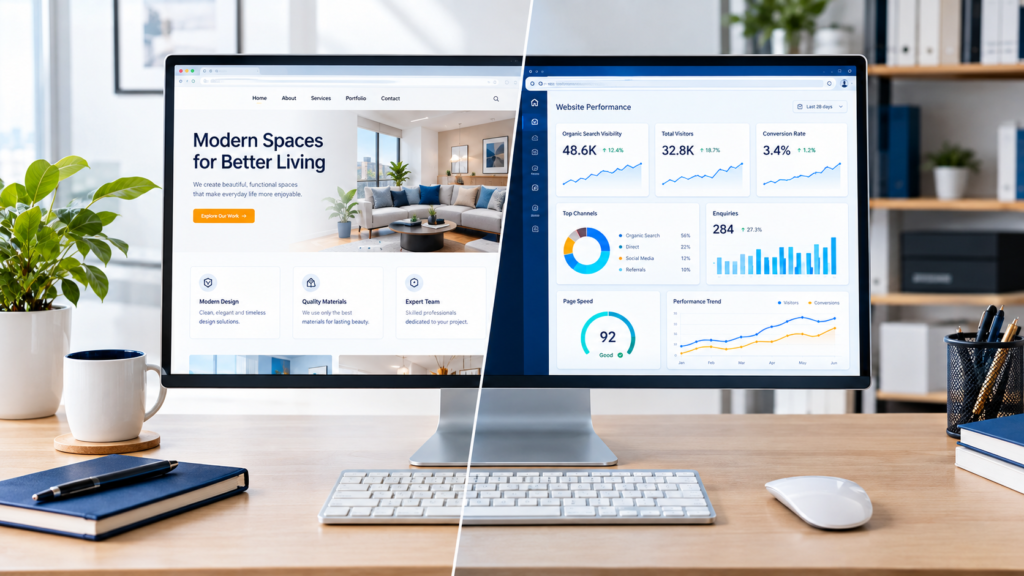
Every agency shows you their best work first. Obviously. That is just basic marketing. But a gallery of pretty screenshots tells you nothing about whether these people actually understand business strategy or performance.
What you actually need to dig into is what happened after that shiny site launched. Did it turn casual visitors into actual paying buyers? Did it rank anywhere on search engines? Is it still fast two years later, or did it break the second a browser pushed an update?
Try finding a live example close to your industry. A restaurant site and a law firm site solve totally different problems. Someone who has already built for your specific type of business gets your customers right away, saving you hours of explanation. Check independent platform ratings or client reviews on trusted sites to see if they are actually reliable.
Watch the Consultation Call Like a Hawk
Your first meeting with an agency is basically a job interview. Except you are the one doing the hiring, so act like it.
Notice if they spend the first ten minutes asking about your business, or if they just immediately start bragging about themselves. A good partner wants to know what frustrates you right now and what your revenue goals look like. If the whole call is them listing awards without asking you a single real question, just walk away.
Watch out for vague timeline answers too. If they shrug and say “it depends” with zero detail, they probably have no project management plan whatsoever.
Be careful with heavy pressure tactics as well. If someone pushes you to sign right now because a deal ends at midnight, that’s just a sales trick. A real team wants you confident, not cornered.
Another massive red flag is when they cannot tell you who is actually doing the work. Sometimes a slick salesperson pitches you, takes your money, and hands your project off to an uncommunicative junior. Always ask who is touching your files.
The Technical Side Is Where Businesses Quietly Die
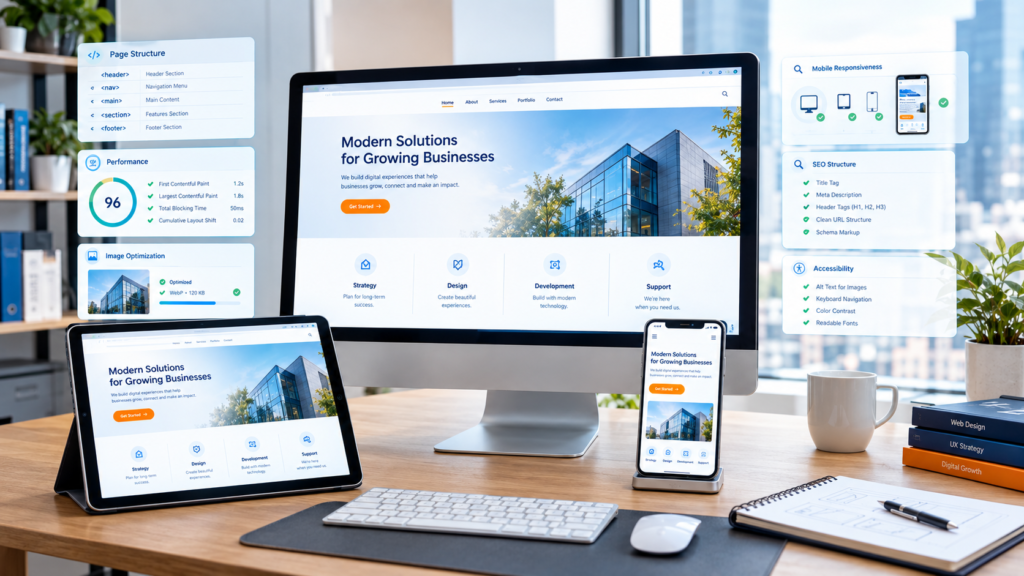
This is where it hurts. Someone hires a designer because the mockups look like art, only to find out later the site takes ten seconds to load, breaks entirely on mobile phones, and has zero search engine setup in the backend.
Let’s be real about technical execution. Mobile usability isn’t just the site shrinking to fit a phone screen. It means buttons fit a human thumb, text reads without zooming, and forms don’t force sideways scrolling. More than half your traffic comes from phones. If mobile was an afterthought, you’re bleeding customers instantly.
Speed matters more than most think. People online are impatient. If your page lags, they bounce straight to your competitor. Google knows this and factors load speed directly into rankings. If you want to see the technical standard, look at Google’s own breakdown of Core Web Vitals. Ask agencies how they handle image optimization and code bloat.
Then comes the platform choice. WordPress, Shopify, custom code, or newer AI builders. Every single option has major trade-offs. WordPress gives freedom but needs updates. Shopify rules for ecommerce but feels restrictive elsewhere. Pick wrong and you’ll fight your site for years.
By the way, if you wonder if those automated tools let you skip a human partner entirely, we looked at that honestly in our second post on AI Website Builders in 2026: Are They Good Enough for Your Business?. Read that before falling for marketing hype.
Accessibility Is Not Just an Optional Checkbox
Here’s a detail most generic guides ignore. Website accessibility, meaning how usable your site is for people with disabilities, is a huge deal. It impacts search visibility, legal compliance, and how many real humans can interact with your brand.
Ask agencies how they handle accessibility standards. If they look blank or have never heard of standard guidelines, they are ignoring a huge chunk of your potential audience. It’s a tiny question that exposes a lot.
How They Treat You Now Is How They Will Treat You Later
You’ll talk to these people constantly during the build. If they take two days to reply to a sales inquiry, guess what happens after they already have your cash and the pressure is off? It gets way worse.
Listen to how they talk in initial chats. Do they explain complex things in plain English, or bury you in tech jargon to sound smart? The right partner feels less like a corporate vendor and more like a trusted team member.
Get Absolute Clarity on Ownership
Before you sign any contract, get a written answer to one vital question: who owns the final files, the domain, the hosting accounts, and the custom code when it’s done?
Some shady agencies build sites in proprietary setups that trap you on their hosting forever, making leaving an expensive nightmare. A trustworthy company hands over full ownership the second the final invoice clears. If they dodge this, walk away.
Your Pre-Contract Checklist
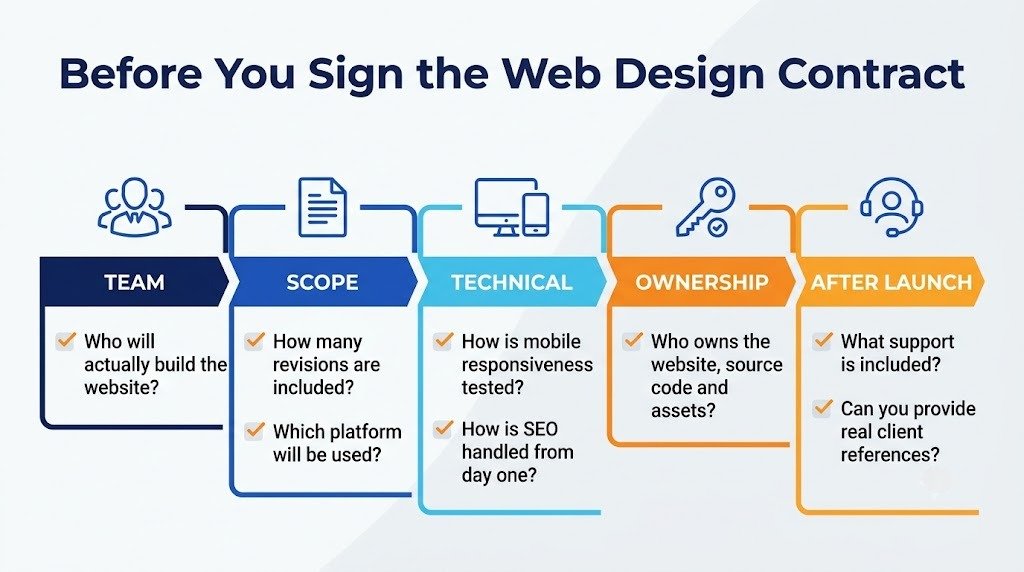
Before committing to anyone, sit down with this list and get straight answers:
- Who specifically is assigned to build my site?
- How many rounds of revisions are included in the scope?
- What platform are you using and why is it right for my goals?
- How do you test mobile responsiveness across real devices?
- What is your workflow for gathering content and copywriting?
- How do you approach basic search optimization from day one?
- What accessibility guidelines do you strictly follow?
- Do I retain complete ownership of all source code and assets?
- What kind of ongoing support happens after launch day?
- Can you give me two real references I can actually call?
If they get defensive over these basic questions, treat it as a massive warning sign.
Industry Experience Gives You a Massive Shortcut
A web designer who has worked with similar businesses understands your customer instantly. They know a clinic needs booking software, a restaurant needs a readable mobile menu, and a creative studio needs fast image galleries.
You don’t need someone working exclusively in your narrow niche, but general familiarity prevents rookie mistakes from day one. If you want to see how we handle different commercial sectors, our web design services page breaks down our approach clearly.
Think Past Launch Day
A website is never a one-and-done purchase. It is a living digital asset needing regular software updates, security backups, and refreshes as you scale.
A healthy relationship with a web partner doesn’t end when the site goes live. It includes proactive check-ins, performance audits, and fast help if something breaks. If you plan on selling online later, make sure they have verified experience building functional ecommerce stores with secure checkouts, because retail sites require a totally different technical foundation. You can explore how we manage that on our ecommerce web design solutions page. And if you want an all-in-one growth partner, feel free to check our broader digital marketing and web solutions.
Frequently Asked Questions
Is web design still in demand?
Yes, absolutely. As competition grows, businesses need high-performing, fast, and accessible websites to stand out and capture local traffic rather than relying solely on social media templates.
Is professional web design worth it for small businesses?
It is one of the best long-term investments you can make. A well-designed site acts as a 24/7 salesperson, builds instant brand credibility, and converts casual visitors into paying customers.
What are the core steps to keep in mind when choosing a designer?
Defining your business goals clearly, vetting past portfolios for real performance rather than just looks, and verifying technical capabilities and communication styles are the key pillars of a successful project.
Where Does This Leave You?
Choosing the right creative web design partner comes down to looking way past a pretty surface mockup. Defining your goals, vetting portfolios carefully, and verifying technical and communication skills will protect your business from getting stuck with a bad site.
Take your time here. Ask tough questions, check real references, and watch for red flags early. Your website is your digital storefront, so make sure it’s built right from the ground up.