

Quick Answer
Some of the most famous graphic designers in history include Paul Rand, Saul Bass, Milton Glaser, and Massimo Vignelli, celebrated for creating timeless corporate logos and visual systems that are still in use today. Modern icons like Jessica Walsh, Stefan Sagmeister, and Eddie Opara continue that legacy with bold, emotionally driven design work for major global brands. What makes these designers iconic is not just talent, but their ability to turn simple ideas into visuals that shape culture and outlast trends.
- Pioneers: Paul Rand, Saul Bass, Milton Glaser, Massimo Vignelli, Neville Brody
- Icons: Stefan Sagmeister, Jessica Walsh, David Carson, April Greiman, Irma Boom
- Global voices: Taku Satoh, Reza Abedini, Saki Mafundikwa, Lin Shaobin, Sulki and Min
- Innovators: Eddie Opara, Fanette Mellier, M/M Paris, Louise Fili, Sergio Membrillas
Introduction: The Names Behind the Logos You Already Know
Every time you recognize a brand in half a second, whether it is the Nike swoosh, the IBM stripes, or the Coca-Cola script, you are experiencing the invisible fingerprints of a graphic designer. Most people never learn their names. Yet these creative minds have shaped how billions of people see, trust, and remember brands, movements, and ideas.
Graphic design is not just decoration. It is persuasion, psychology, and storytelling condensed into a single image. Behind every iconic identity is a designer who understood that a well-placed shape, a bold typeface, or a clever use of negative space could outlast trends and even outlive the designer themselves.
In this guide, we go deeper than the usual “top 10” lists floating around the internet. We are covering the pioneers who invented the rules of modern design, the contemporary disruptors who are rewriting them, and the international voices who are proving that great design has no single origin story. Whether you are a design student, a brand owner, or simply someone who appreciates great visual work, this list will change the way you look at the world around you.
Why Studying Famous Graphic Designers Still Matters in 2026
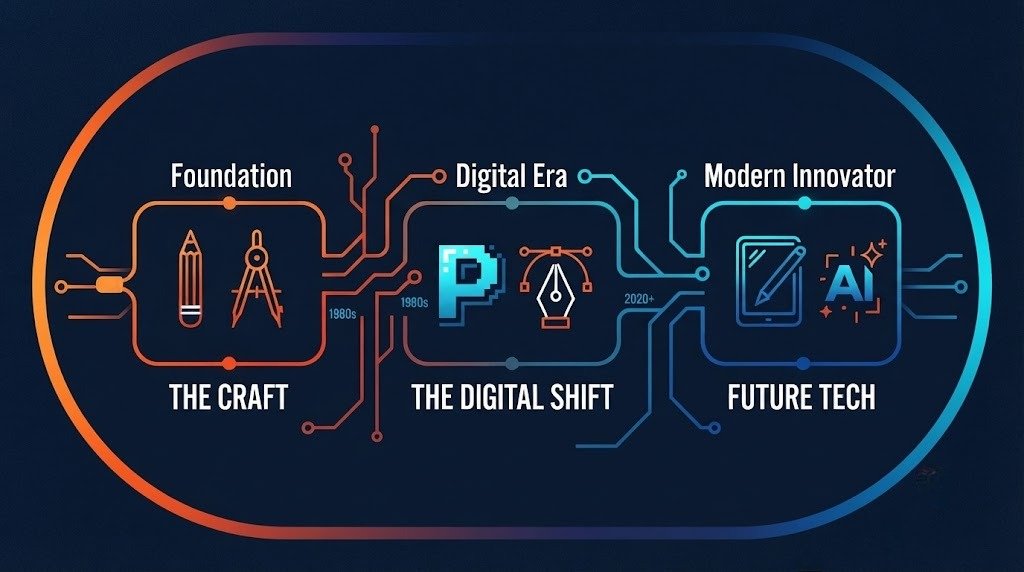
Before diving into the list, it is worth asking why any of this history matters when design tools are more accessible than ever. The answer is simple: trends fade, but principles do not.
Every designer on this list mastered fundamentals long before they became famous, including composition, hierarchy, color theory, and emotional storytelling through visuals. Studying their work is one of the fastest ways to understand what separates a forgettable logo from one that becomes part of cultural memory. According to the AIGA, the professional association for design, design history is one of the strongest foundations a working designer can build on, since understanding past movements helps explain why certain visual choices continue to resonate with audiences today.
For brands and businesses, understanding this history is not just academic. It directly informs smarter decisions when planning a visual identity that needs to work across logos, packaging, social media, and print.
The Pioneers: Designers Who Built the Foundations of Modern Graphic Design

These are the names that design history books rarely leave out. Their work laid the groundwork for nearly every visual identity created in the decades since.
1. Paul Rand
Paul Rand is often called the father of American corporate identity design, and for good reason. He designed some of the most recognizable logos of the twentieth century, including IBM, UPS, ABC, and Westinghouse. His genius was in reducing complex ideas into simple, memorable marks that still feel modern today.
Rand believed that design was a form of communication first and decoration second, a philosophy that continues to guide brand designers worldwide.
2. Saul Bass
Saul Bass revolutionized two industries at once: graphic design and film. He is best known for his bold, minimalist movie title sequences for directors like Alfred Hitchcock and Otto Preminger, as well as corporate logos for companies like AT&T, United Airlines, and Quaker Oats.
His use of simple geometric shapes to convey mood and narrative changed how designers think about motion and storytelling within static and moving visuals alike.
3. Milton Glaser
Milton Glaser is the mind behind the legendary “I Love NY” logo, one of the most reproduced pieces of graphic design in history. He co-founded Pushpin Studios and later New York Magazine, constantly blending illustration with typography in ways that felt playful yet deeply intentional.
Glaser’s work proves that great design can be emotionally warm without losing its strategic clarity.
4. Massimo Vignelli
Massimo Vignelli championed a design philosophy built around clarity, order, and timelessness. He is famous for redesigning the New York City subway map and creating identities for American Airlines and Bloomingdale’s.
Vignelli’s belief that a well-trained designer can design anything, from a spoon to a city, continues to influence how modern studios approach systems-based branding rather than one-off visuals.
5. Neville Brody
Neville Brody emerged from the British punk and post-punk era to redefine editorial and typographic design. His work for The Face magazine broke every rule of traditional layout design, inspiring a generation of designers to experiment fearlessly with type as an expressive tool rather than just a functional one.
The Icons: Designers Who Turned Personal Style Into Global Influence

These designers built entire visual languages so distinctive that their work is often recognizable without ever seeing a signature.
6. Stefan Sagmeister
Stefan Sagmeister is famous for design that provokes emotion, sometimes literally. His self-inflicted body carving for a Detroit Institute of Arts poster remains one of the most talked-about pieces in design history. Sagmeister has worked with major music and cultural clients, always pushing the boundary between design and fine art.
7. Jessica Walsh
Jessica Walsh, co-founder of the influential studio Sagmeister & Walsh and later her own studio &Walsh, brings bold color, playful typography, and emotionally resonant storytelling into everything she creates. Her client list includes The New York Times, Adobe, and Levi’s, and she has become one of the most influential voices for a new generation of designers, particularly women entering the industry.
8. David Carson
Often called the godfather of grunge typography, David Carson made his name at Ray Gun magazine, where he broke nearly every rule of legibility to create chaotic, emotionally charged layouts. His work proved that sometimes breaking conventions is exactly what a message needs to be truly heard.
9. April Greiman
April Greiman was among the first designers to fully embrace digital tools, blending typography, photography, and early computer graphics into work that felt years ahead of its time. Her willingness to experiment with emerging technology helped pave the way for the entire field of digital and interactive design.
10. Irma Boom
Irma Boom is widely regarded as one of the most innovative book designers alive today. Her experimental approach challenges the very structure of what a book can be, and she has worked with prestigious clients including the United Nations. Her work is a reminder that even the most traditional formats can be reinvented with the right creative vision.
Global Voices: Designers Redefining Graphic Design Beyond the West
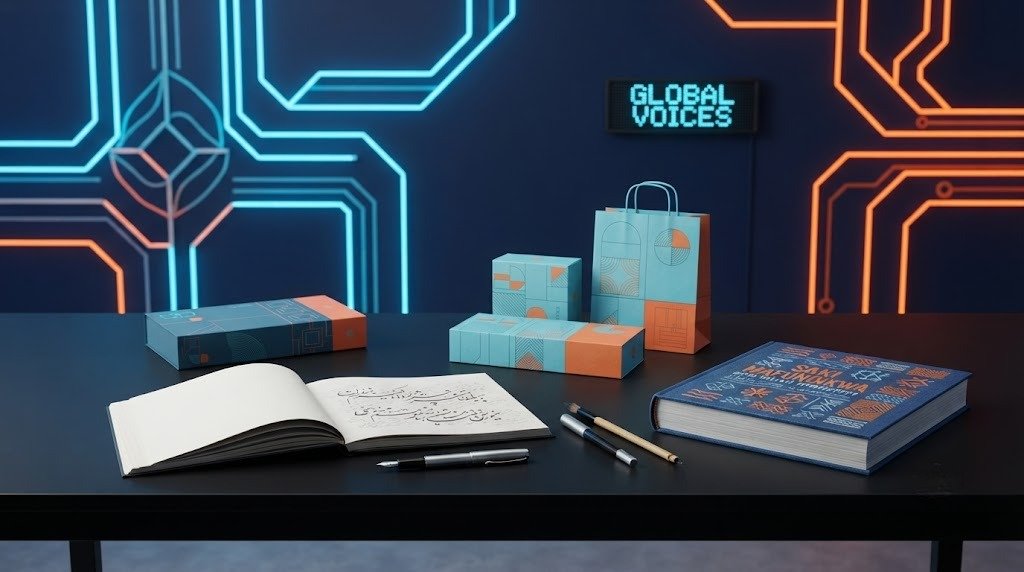
Graphic design’s greatest ideas are not confined to any single country. These designers bring distinct cultural perspectives that have enriched the global design conversation.
11. Taku Satoh
Taku Satoh is a leading figure in Japanese graphic design, known for minimalist, conceptual work across branding, packaging, and exhibition design. His restrained yet powerful use of typography and geometry has earned him some of Japan’s most prestigious design honors.
12. Reza Abedini
Reza Abedini is celebrated for merging traditional Persian calligraphy with contemporary graphic design principles. His work has helped redefine the role of visual design within Iranian culture and inspired designers across the Middle East to embrace their own visual heritage.
13. Saki Mafundikwa
Saki Mafundikwa founded the Zimbabwe Institute of Vigital Arts, the first design school of its kind in the region, dedicated to empowering African designers to tell their own stories visually. His work draws heavily on traditional African typography and motifs, championing representation in a field that has historically been dominated by Western aesthetics.
14. Lin Shaobin
Lin Shaobin’s minimalist, culturally rooted approach reflects a deep respect for Chinese calligraphy and traditional art forms. His innovative packaging designs, including projects that use texture and material to evoke natural landscapes, show how heritage and modern design can coexist beautifully.
15. Sulki and Min
This Seoul-based design duo blends traditional Korean visual culture with strikingly modern, minimalist layouts. Beyond their client work, they are respected educators and authors, shaping the next generation of Korean designers through both practice and teaching.
The Innovators: Designers Shaping the Future of the Craft

These names represent where graphic design is heading, blending technology, culture, and craft in new ways.
16. Eddie Opara
A partner at Pentagram, one of the most respected design firms in the world, Eddie Opara blends technology, typography, and storytelling into multidisciplinary work for major global brands. His designs frequently explore themes of identity and cultural relevance, proving that graphic design can carry social weight without losing commercial impact.
17. Fanette Mellier
Fanette Mellier’s experimental approach to book design and typography treats color and geometry as emotional tools rather than decorative ones. Her conceptual, boundary-pushing work continues to influence how editorial and print design is taught today.
18. M/M Paris (Mathias Augustyniak and Michael Amzalag)
This French design duo has worked with cultural giants across fashion, music, and art, including collaborations with major names in the entertainment industry. Their unconventional use of materials and techniques constantly challenges what graphic design is allowed to look like.
19. Louise Fili
Louise Fili’s elegant, nostalgic aesthetic draws heavily from vintage Italian design traditions. Her meticulous attention to typography and illustration has made her one of the most respected names in branding and packaging design, particularly within the food and hospitality industries.
20. Sergio Membrillas
Known for playful, hand-drawn illustration combined with bold color palettes, Sergio Membrillas represents the more whimsical, human side of contemporary branding. His work is a favorite reference point for brands wanting to feel approachable and joyful rather than corporate.
What These Famous Graphic Designers Teach Us About Great Design

Looking across two decades of design innovation, a few clear lessons emerge that every brand owner should keep in mind.
Simplicity outlives trends. Paul Rand, Massimo Vignelli, and Taku Satoh all built careers around the idea that clarity beats complexity. The most recognizable logos in the world are almost always the simplest.
Emotion drives memorability. Stefan Sagmeister and Jessica Walsh remind us that design is not just about looking good. It is about making people feel something strong enough to remember.
Culture is a design asset, not an obstacle. Designers like Reza Abedini, Saki Mafundikwa, and Lin Shaobin show that embracing cultural identity rather than defaulting to generic global aesthetics creates far more distinctive and meaningful work.
Breaking rules requires first understanding them. David Carson and Neville Brody did not create chaos randomly. Their rule-breaking was intentional, built on a deep understanding of typography and layout fundamentals.
A strong visual identity rarely stops at the logo. Many of the designers featured here also shaped how their clients’ brands showed up across every touchpoint, from print to digital. If your business is thinking beyond a single design piece toward a full brand presence, it helps to plan your graphic design and web design strategy together from the start, so your visuals feel consistent everywhere your audience encounters your brand.
Frequently Asked Questions About Famous Graphic Designers
Who is considered the most famous graphic designer of all time?
Paul Rand is widely regarded as one of the most influential graphic designers in history, largely due to his corporate identity work for brands like IBM and UPS, which remain in use decades later.
What makes a graphic designer “famous” versus simply skilled?
Fame in design typically comes from creating work that transcends its original context, becoming part of cultural memory. This often requires a distinctive, consistent visual style combined with high-profile or highly visible projects.
Are there famous graphic designers working today, or is this mostly a historical list?
Both. While pioneers like Paul Rand and Saul Bass shaped the twentieth century, designers like Jessica Walsh, Eddie Opara, and Sergio Membrillas are actively defining what design looks like right now.
Can studying famous graphic designers actually help my business branding?
Absolutely. Understanding the principles behind iconic design work, such as simplicity, cultural relevance, and emotional resonance, helps brand owners make smarter decisions when briefing or evaluating design work for their own business.
How do I apply these design principles to my own brand?
The fastest way is to work with a team that understands both the history and the modern application of these principles, and can translate them into a cohesive identity built specifically around your goals.
Final Thoughts: Great Design Is Never an Accident
Every designer featured in this list built their legacy through discipline, curiosity, and an unwavering belief that visual communication matters. None of them became iconic overnight. Their work is a reminder that great design is intentional, strategic, and deeply human, even when it looks effortless.
If this list has inspired you to think differently about your own brand’s visual identity, explore our graphic designing services to see how these same timeless principles can be applied to your logo, packaging, and marketing creatives. When you are ready to start building a visual identity worth remembering, get in touch with our team and let’s talk about your project.