Quick Answer
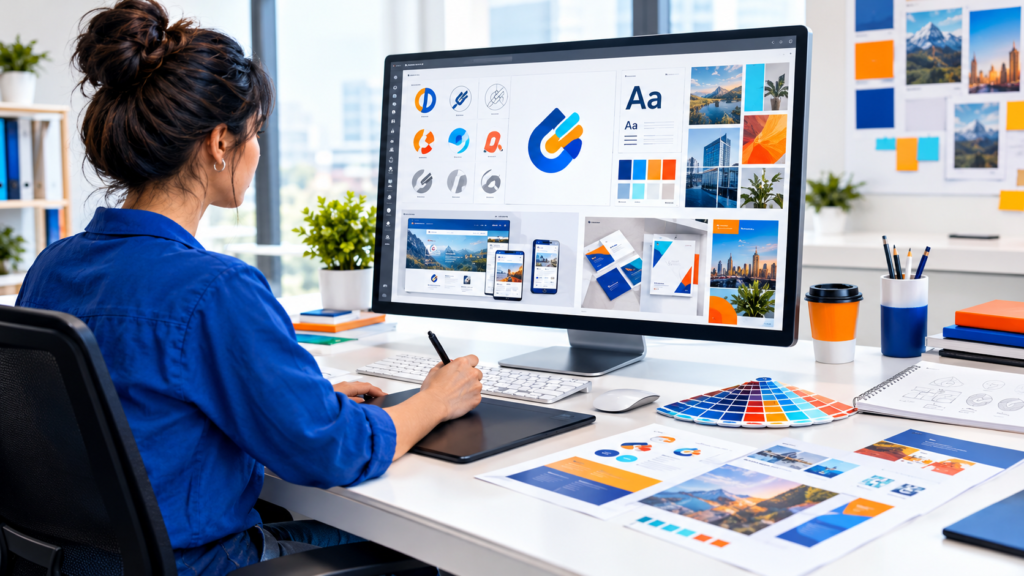
A graphic designer creates visual content that helps businesses communicate their message, build brand recognition, and connect with their target audience. Their responsibilities include logo design, brand identity, social media graphics, website visuals, brochures, advertisements, product packaging, and presentations. In addition, a professional graphic designer combines creativity, visual communication, and business understanding to create designs that support marketing goals. For business owners and company decision-makers, investing in the right graphic design services can help establish a professional image, improve communication, and create a consistent customer experience across digital and offline platforms.
Introduction: Why Graphic Design Matters for Businesses
Imagine visiting two websites that offer the same service. One has clear visuals, professional branding, and an organised layout. The other looks outdated, uses inconsistent colours, and makes information difficult to understand. Which business would you feel more comfortable contacting?
For many customers, visual presentation influences their first impression. Although an attractive design cannot guarantee trust or sales, it can help a business communicate professionalism and make its message easier to understand.
Today, businesses compete across websites, search engines, social media platforms, digital advertisements, and printed marketing materials. Therefore, maintaining a consistent visual identity has become an important part of business communication.
This is where a graphic designer makes a difference. Instead of simply creating attractive images, a designer transforms business ideas into visual content that communicates a clear message. From developing a memorable logo to designing marketing campaigns, their work supports how customers recognise and understand a company.
For business owners, understanding the responsibilities of a graphic designer makes it easier to identify the services they need, choose the right creative partner, and make informed marketing decisions.
What Is Graphic Design?
Graphic design is the process of communicating ideas through visual elements such as typography, colours, images, illustrations, shapes, and layouts. Its main purpose is to present information in a way that is clear, engaging, and suitable for a particular audience.
For example, a restaurant may need an easy-to-read menu, while a technology company may require product illustrations that explain how its software works. Similarly, an online retailer may need promotional graphics that highlight product features and encourage customers to explore its offerings.
Although these projects have different objectives, they all rely on visual communication.
Professional graphic design combines creativity with planning. Designers consider the target audience, business objectives, brand personality, and intended message before selecting the appropriate visual approach.
According to Adobe’s guide to graphic design, graphic design involves arranging visual elements to communicate ideas and messages. For businesses, this means creating visuals that look professional while serving a practical purpose.
What Does a Graphic Designer Actually Do?
The daily responsibilities of a graphic designer depend on their experience, specialisation, and the projects they handle. Some focus on branding, while others work on digital marketing, print materials, packaging, or website visuals.
However, most designers follow a process that begins with understanding the client’s requirements and ends with delivering suitable creative assets.
1. Creates Logos and Brand Identity
Logo design is one of the most recognised graphic design services. A logo gives customers a visual symbol they can associate with a business, its products, and its services.
However, a complete brand identity involves much more than a logo. It may include brand colours, typography, supporting graphics, icon styles, imagery guidelines, and rules for using visual elements consistently.
For example, a financial services company may prefer a clean and professional identity that communicates reliability. In contrast, a creative lifestyle brand may choose expressive colours and distinctive typography to reflect its personality.
A graphic designer studies the company’s audience, market position, competitors, and values before developing a suitable visual direction. As a result, the identity reflects the business rather than simply following temporary design trends.
For startups, a strong visual identity provides a foundation for future marketing. Established companies can also benefit from updating inconsistent branding or refreshing an identity that no longer represents their services.
2. Designs Social Media Graphics
Social media gives businesses an opportunity to share updates, promote services, educate customers, and build relationships with their audience. However, publishing regular content becomes more effective when the visuals are clear and consistent.
Graphic designers create social media posts, carousel graphics, story templates, promotional banners, campaign creatives, and branded content for platforms such as Instagram, Facebook, and LinkedIn.
For example, a healthcare provider might need educational graphics explaining its services. Meanwhile, an online store may require promotional designs for a seasonal campaign or a new product launch.
In both situations, the design should communicate the message quickly and make the content easy to understand. Consistent colours, fonts, and layouts also help customers recognise the business across different posts.
Moreover, reusable templates can save marketing teams time because they do not need to develop every creative asset from scratch.
Businesses exploring professional graphic design services from KPTL Services can consider how consistent visual communication supports their broader marketing activities.
3. Creates Website Graphics and Visual Elements
A business website often serves as a central point where potential customers research services, compare options, and decide whether to make contact. Therefore, its visual elements should support the content rather than distract visitors.
Graphic designers create website banners, icons, illustrations, promotional images, infographics, and other assets for landing pages, service pages, blog articles, and product pages.
For instance, a consulting company might need a clear banner that communicates its main benefit, along with supporting illustrations that explain its services. An online retailer may require product graphics that show important features or demonstrate how an item can be used.
However, graphic design and web design are related but different disciplines. Graphic designers focus primarily on visual communication, while web designers may also work on page structure, navigation, responsive layouts, and interactive experiences.
Consequently, businesses planning a new website should ensure that the visual assets complement the site’s layout, functionality, and user experience.
4. Designs Brochures, Flyers, and Business Documents
Printed marketing materials continue to serve an important purpose in many industries. Businesses use brochures, flyers, catalogues, company profiles, posters, and business cards to communicate with customers, partners, and potential clients.
A graphic designer arranges the content, selects suitable typography, balances images and text, and creates a layout that readers can follow comfortably.
For example, a real estate agency may need property brochures containing photographs, key features, and contact information. Similarly, a B2B company might require a company profile that introduces its services and capabilities to potential partners.
Professional print design also involves technical preparation. Designers may need to consider page dimensions, image resolution, margins, bleed areas, and colour settings to ensure that the files are suitable for printing.
As a result, businesses can present their information consistently across meetings, events, exhibitions, and direct customer interactions.
5. Develops Advertising and Marketing Creatives
Advertising helps businesses introduce products, promote services, generate enquiries, and encourage purchases. However, an advertisement needs more than an attractive image. It must communicate a relevant benefit and guide the audience towards an appropriate next step.
Graphic designers develop visual assets for online advertisements, display campaigns, social media promotions, email marketing, and other promotional activities.
For example, a company launching a new service might create one design highlighting a common customer problem and another showing how the service addresses it. The marketing team can then test different creative approaches and compare their performance.
Furthermore, designers adapt assets to different placements while maintaining the same campaign identity. This helps businesses deliver a consistent message across several channels.
Nevertheless, design alone cannot guarantee advertising success. Audience targeting, campaign strategy, landing-page quality, pricing, and the relevance of the offer also influence results.
Businesses looking to connect creative work with wider promotion can explore digital marketing services as part of a coordinated approach to reaching their target audience.
6. Designs Product Packaging and Labels
Product packaging helps customers identify a product, understand its features, and distinguish it from competing options. Therefore, businesses selling physical goods need packaging that reflects their identity and presents essential information clearly.
A graphic designer may create box designs, product labels, packaging artwork, product tags, inserts, and supporting visuals for online product listings.
For instance, a skincare company may prefer minimal packaging that communicates simplicity, while a food brand might use brighter colours to create a distinctive shelf presence.
However, packaging design is not only about appearance. Designers must also consider dimensions, readability, logo placement, barcode space, printing limitations, and the positioning of required product information.
Depending on the industry and product category, businesses may need additional regulatory checks before approving the final packaging.
Well-planned packaging can help a product maintain a consistent identity across retail displays, e-commerce listings, and customer deliveries.
7. Creates Infographics and Presentations
Business information can sometimes be difficult to understand when it appears as long paragraphs, complicated tables, or technical explanations. Infographics and presentations help organise information into a more accessible visual format.
Graphic designers create charts, diagrams, timelines, process illustrations, presentation slides, and visual summaries that explain important ideas.
For example, a software company might use an infographic to demonstrate how its platform works. A marketing team could use a presentation to explain campaign performance, while a consulting firm might present a business process through a simple step-by-step diagram.
The designer’s responsibility is to make the information easier to follow without changing its meaning or presenting data in a misleading way.
Clear headings, suitable spacing, readable typography, and logical visual hierarchy help the audience identify the most important information.
Consequently, these design assets can support sales meetings, employee training, business reports, client presentations, and internal communication.
8. Maintains Brand Consistency Across Platforms
When a company uses different logos, colours, fonts, and visual styles across its marketing materials, customers may find it harder to recognise the brand.
A graphic designer helps solve this problem by creating consistent visual guidelines and applying them across websites, social media, brochures, presentations, advertisements, and packaging.
Depending on the company’s needs, the designer may also develop templates for recurring content. These templates allow marketing teams to create new materials while maintaining the established visual identity.
For growing businesses, consistency becomes especially important when several employees or external partners contribute to marketing activities.
Furthermore, a clear design system makes future updates easier. When a company launches a new service or expands into another marketing channel, its existing visual guidelines provide a reliable starting point.
What Is the Scope of Graphic Design Services?
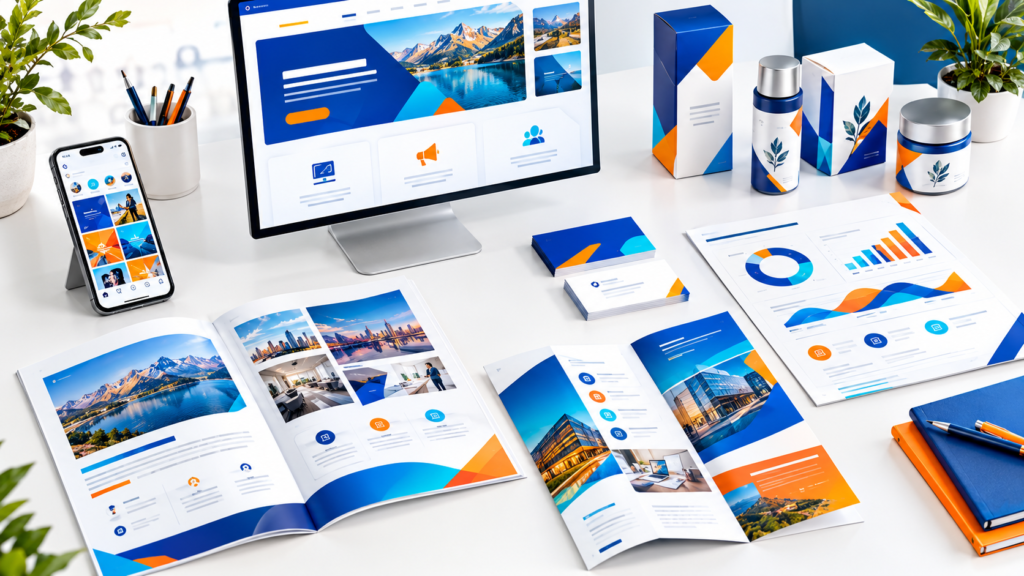
The scope of graphic design services extends beyond individual creative tasks. Businesses can hire a designer for a one-time project or arrange ongoing support for their branding and marketing requirements.
The most suitable combination depends on the company’s industry, growth stage, audience, and available resources.
Branding and Corporate Identity Design
Branding services may include logo creation, brand colour selection, typography, brand guidelines, business cards, letterheads, and company profiles.
These services are particularly useful for startups establishing their identity and established businesses that need a more consistent presentation across different customer touchpoints.
Digital Marketing and Advertising Design
Digital design services include social media creatives, online advertising graphics, website banners, email visuals, promotional landing-page assets, and campaign materials.
Businesses running regular marketing campaigns may benefit from a designer who can prepare multiple creative variations and adapt designs to different platform requirements.
Print and Publication Design
Print design covers brochures, flyers, catalogues, posters, menus, reports, and other printed communication materials.
These services are useful for companies attending exhibitions, distributing promotional materials, presenting proposals, or communicating with customers offline.
Packaging and Product Visual Design
Packaging services support manufacturers, retailers, food businesses, cosmetics brands, and other companies selling physical products.
Depending on the project, deliverables may include product labels, packaging artwork, box layouts, inserts, and visual assets for e-commerce platforms.
Illustration, Infographics, and Presentation Design
Custom illustrations, diagrams, infographics, and presentation templates help businesses explain complex information more clearly.
These services are useful for educational content, corporate reports, product demonstrations, training materials, and professional presentations.
Not every graphic designer specialises in all these areas. Therefore, businesses should review portfolios and confirm the designer’s experience before selecting a provider.
How Does a Graphic Designer Work on a Project?
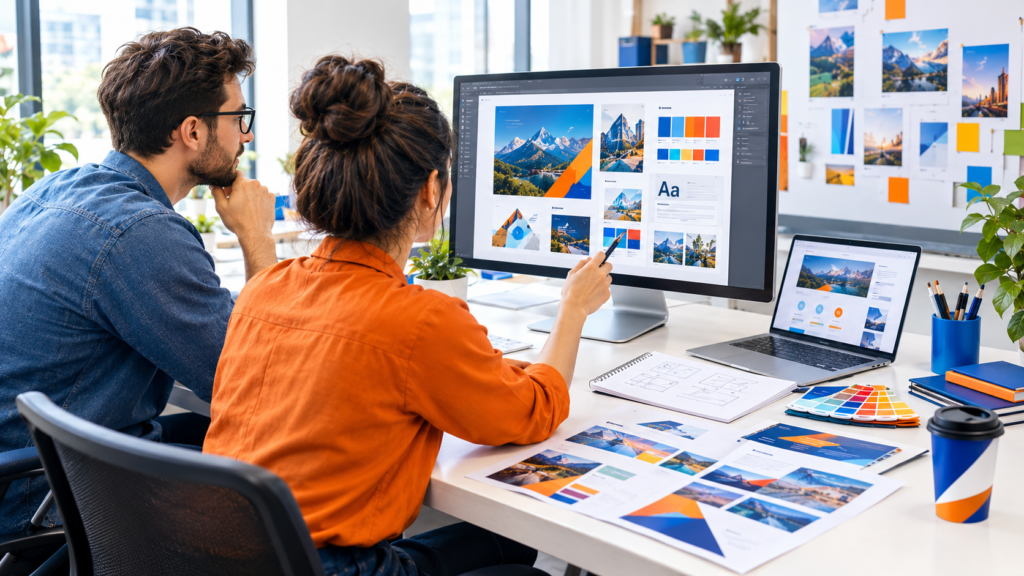
Understanding the design process helps business owners set clear expectations, provide useful feedback, and avoid unnecessary delays.
Step 1: Understand the Business Requirements
First, the designer gathers information about the company’s objectives, target audience, industry, competitors, and intended message. This stage establishes what the design needs to communicate and what the business expects to achieve.
Step 2: Research and Develop Concepts
Next, the designer explores visual references, colour combinations, typography, layout options, and creative directions. Depending on the project, this may involve sketches, mood boards, or initial concepts.
The aim is to identify an approach that suits the brand and its audience rather than choosing visuals based only on personal preference.
Step 3: Create the Design
After the direction is approved, the designer develops the main creative asset. They organise the visual elements, refine typography, adjust spacing, and ensure the design meets the required specifications.
Step 4: Collect Feedback and Make Revisions
The designer shares the work with the client or relevant team members. Based on the agreed project scope, revisions may address layout, colours, images, typography, or content placement.
Clear and specific feedback helps the designer understand what needs to change and keeps the project moving forward.
Step 5: Deliver the Final Files
Finally, the designer prepares the approved assets in appropriate formats. These may include PNG, JPEG, PDF, SVG, or editable source files, depending on the project’s requirements and agreement.
For print projects, production-ready specifications are important. For digital campaigns, the designer may provide several dimensions or optimised versions for different platforms.
What Skills Should a Professional Graphic Designer Have?
A professional graphic designer combines creative thinking with technical knowledge and an understanding of business communication.
Creativity and problem-solving: Designers develop visual ideas that address the project’s objectives and communicate the intended message.
Typography and layout: Appropriate font selection, spacing, alignment, and visual hierarchy make content easier to read and understand.
Colour theory and composition: Designers use colour, contrast, and balanced layouts to establish visual relationships and support brand recognition.
Design software proficiency: Depending on their specialisation, designers may use Adobe Photoshop, Illustrator, InDesign, Figma, and other creative tools.
Communication and collaboration: Designers need to understand client requirements, explain creative decisions, and work effectively with marketers, developers, and other team members.
Attention to detail: Accurate text, consistent branding, correct dimensions, and suitable file formats are essential for professional delivery.
Adaptability: Different projects require different approaches. A designer must be able to adjust visual styles to match the audience, medium, and business objective.
Together, these skills help designers produce work that is both visually appealing and practically useful.
Why Should Businesses Invest in Professional Graphic Design?
Professional graphic design can help businesses communicate more clearly, maintain consistent branding, and present their products or services effectively. However, its value depends on whether the design addresses a genuine business need.
Builds a Professional Brand Image
Customers encounter businesses through many different channels. Consistent, carefully prepared visuals can make a company appear organised and professional.
Although design alone cannot establish trust, it can support trust when combined with reliable service, transparent communication, and positive customer experiences.
Makes Marketing Messages Easier to Understand
A well-structured design guides attention towards the most important information. Consequently, customers can identify key benefits, product details, and calls to action without unnecessary effort.
This is especially useful when businesses explain complex services or promote specific offers.
Supports Marketing and Sales Activities
Businesses can reuse consistent visual assets across websites, advertisements, presentations, and social media channels. This helps marketing teams maintain a unified message throughout the customer journey.
When combined with appropriate targeting and performance measurement, effective creative work can contribute to better marketing outcomes.
Helps a Business Stand Out From Competitors
A distinctive visual identity helps a company develop a recognisable presence in a competitive market. Rather than copying competitors, a designer can identify visual characteristics that reflect the company’s positioning and audience.
Over time, consistent branding can help customers associate particular visual elements with the business.
How to Choose the Right Graphic Design Company
Choosing the right design partner requires more than comparing attractive portfolios. Business owners should evaluate the provider’s experience, communication process, service range, and understanding of business objectives.
First, review relevant portfolio examples. A designer who has worked on similar projects may better understand the audience, creative requirements, and technical specifications.
Next, clarify the project scope. Confirm the deliverables, number of initial concepts, revision limits, timeline, file formats, and ownership or usage rights. These details help prevent misunderstandings during the project.
It is also important to assess communication. A reliable design partner should ask relevant questions, explain the creative direction, and respond constructively to feedback.
Finally, consider whether your company needs a single design asset or ongoing creative support. Businesses that regularly publish content may benefit from a broader arrangement covering branding, marketing creatives, and website visuals.
To understand the available options, visit KPTL Services and review how its digital services may support your company’s online presence.
How Graphic Design Connects With SEO and Digital Marketing
Graphic design and search engine optimisation serve different purposes, but they can support one another when planned together.
SEO helps relevant pages become discoverable in search engines, while graphic design helps present information clearly through suitable images, diagrams, and visual layouts.
For example, an informative blog article may include an original infographic that explains a complicated process. This visual can make the content easier to follow and give readers another way to understand the topic.
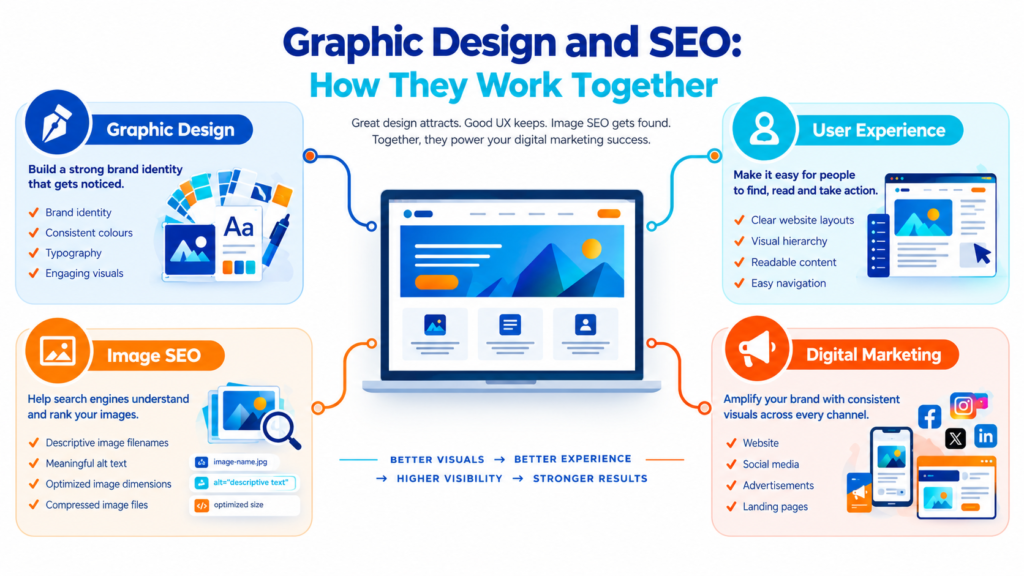
However, attractive graphics do not automatically improve search rankings. Search visibility also depends on content usefulness, relevance, technical performance, and other factors.
Businesses should optimise image dimensions, use descriptive file names, provide meaningful alt text where appropriate, and avoid unnecessarily large image files that slow down page loading.
A consistent visual identity can also support email marketing, social media campaigns, and landing pages. Businesses seeking to strengthen their organic visibility can explore search engine optimisation services as part of a broader digital strategy.
The most effective approach is to plan design, content, and marketing together while measuring outcomes that matter to the business.
Frequently Asked Questions About Graphic Designers
What Does a Graphic Designer Do on a Daily Basis?
A graphic designer may review project requirements, research visual ideas, create designs, edit images, prepare layouts, collect feedback, and deliver final files. Their daily responsibilities depend on their specialisation and current projects.
What Services Does a Graphic Designer Provide?
Common services include logo design, brand identity development, social media graphics, website visuals, advertising creatives, brochures, packaging, infographics, and presentation design. Some designers also specialise in illustration, motion graphics, or user interface design.
Is Graphic Design Important for Small Businesses?
Yes. Small businesses can use graphic design to present a professional identity, communicate their services clearly, and maintain consistency across marketing channels. The best starting point is to prioritise visual assets that directly support current business needs.
What Is the Difference Between a Graphic Designer and a Web Designer?
A graphic designer primarily creates visual communication assets, such as logos, promotional graphics, and print materials. A web designer focuses more on the structure and visual experience of a website, including page layouts, navigation, and responsive behaviour. Their responsibilities may overlap depending on the project.
For a further explanation of these roles, see Adobe’s comparison of graphic design and web design.
Can Graphic Design Help Increase Sales?
Graphic design can support sales by making product information clearer, improving the presentation of offers, and helping marketing materials communicate value. However, sales also depend on product quality, pricing, audience needs, customer experience, and the effectiveness of the overall marketing strategy.
How Do I Know Which Graphic Design Services My Business Needs?
Start by identifying your main business challenge. If customers struggle to recognise your brand, consider identity design. If your marketing looks inconsistent, prioritise reusable templates and campaign assets. If your website does not explain your services clearly, review its visual elements and page presentation.
What Should I Look for Before Hiring a Graphic Designer?
Review the designer’s portfolio, relevant experience, communication skills, project process, and ability to understand your business goals. Also, clarify timelines, revisions, file delivery, and usage rights before starting the project.
Conclusion: Make Graphic Design Work for Your Business
So, what does a graphic designer actually do? A professional graphic designer transforms business ideas into visual communication that helps customers recognise a brand, understand its message, and engage with its products or services.
From logos and social media graphics to website visuals, brochures, advertisements, packaging, and presentations, the scope of graphic design services is broad. However, effective design is not simply about creating something attractive. It is about producing visuals that serve a clear purpose, reach the intended audience, and support the company’s wider business objectives.
For business owners and company decision-makers, the next step is to identify which visual assets will make the greatest difference to their current goals. Start with the essentials, maintain a consistent brand identity, and expand your design efforts as your business grows.
Ready to strengthen your brand’s visual identity? Explore professional design solutions that can help your business communicate more effectively, present its services consistently, and build a stronger visual presence.